





You Insure the House. But What About the People Paying for It?
Date 10 Aug 2026
Home insurance? Tick.
Car insurance? Tick.
You may even have insurance on the phone you’re currently reading this on.
But what about you?
It’s not exactly the most exciting topic to bring up over dinner, but personal insurance can be one of the most important parts of protecting the life you’ve worked hard to build.
Because for most families, the biggest financial asset isn’t necessarily the house.
It’s the income coming in every fortnight that pays for it.
What Happens If One Income Suddenly Disappears?
Imagine a household with two incomes, a mortgage, children, groceries, rates, power bills and everything else that comes with family life.
Then one partner unexpectedly passes away.
First and foremost, the family has lost someone they love. But alongside the emotional impact can come a very practical financial problem: the bills don’t disappear just because an income does.
The mortgage still needs to be paid.
The kids still need looking after.
The power company will, unfortunately, continue sending bills.
And suddenly the surviving partner may be asking a question no grieving family should have to deal with:
Can we still afford to live in our home?
That’s where personal insurance can make an enormous difference.
Life Insurance Isn't Really For You
Life insurance is a slightly strange product when you think about it.
You take it out, but you're not really taking it out for yourself.
You're doing it for the people you leave behind.
Depending on the cover and policy terms, life insurance can provide an eligible lump-sum payment following the death of the insured person. That money could potentially be used to reduce or repay a mortgage, meet immediate expenses or provide some financial breathing room for the family.
It can't replace a person.
It can't make grief easier.
But it can help prevent an already devastating situation from becoming a financial crisis as well.
Personal Insurance is Bigger Than Life Insurance
Death isn't the only event that can dramatically change a family's finances.
What happens if you're still here, but a serious illness or injury means you can't work for six months? A year? Or permanently?
This is why personal insurance can include several different forms of protection.
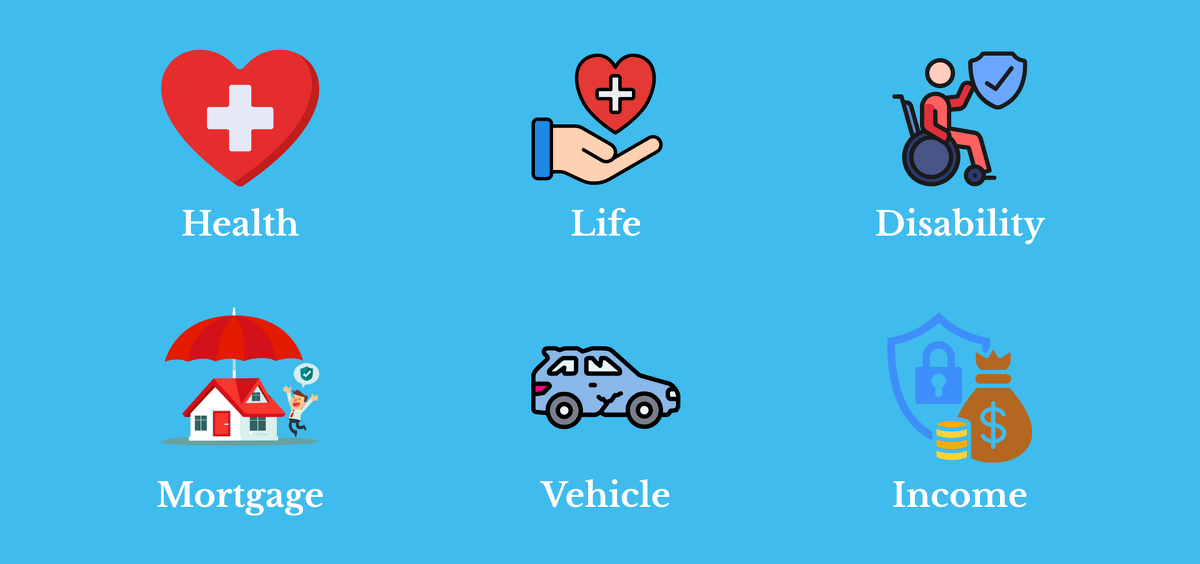
Life insurance can provide a lump sum following death, subject to the terms of the policy.
Trauma or critical illness cover can provide a lump sum if you're diagnosed with one of the serious illnesses or conditions specified by the policy.
Income protection is designed to replace a portion of your income for a period of time if illness or injury prevents you from working.
Disability cover may provide a lump sum where a person becomes totally and permanently disabled, depending on the policy.
You don't necessarily need every type of cover available. The important part is understanding what financial risks your household couldn't comfortably absorb on its own.
“But How Much Cover Do I Actually Need?”
This is where things get personal.
There isn't one magic number that works for everyone.
A couple with no children, a small mortgage and significant savings could have very different needs from a family with three children, one main income and a large home loan.
A good starting point is to think about questions such as:
- How much is left on the mortgage?
- How dependent is the household on each person's income?
- How much do you have in savings or other assets?
- Are there children or others financially dependent on you?
- How long would your family need financial support?
- What would happen financially if you couldn't work because of illness or injury?
Insurance policies can also vary significantly in what they cover, their exclusions and the circumstances under which a claim will be paid, so price shouldn't be the only consideration.
This is one of the reasons getting advice can be useful. The FMA notes that personal insurance can be complicated, and an adviser can help assess your circumstances and work through appropriate options.
The Mortgage Conversation Shouldn't Stop At The Interest Rate
When we're buying a house, understandably, most of the conversation revolves around the exciting stuff.
“How much can we borrow?”
“What's the interest rate?”
“Fixed or floating?”
“Can we finally get the house with the double garage?”
All important questions.
But there's another one worth asking:
If something happened to either of us tomorrow, could the other person keep this home?
That question isn't designed to scare you.
It's about making sure the financial plan you've put so much effort into building has a backup plan.
And don't make insurance a “set and forget”
Your life changes.
Your insurance needs can change with it.
You might buy a bigger house, have children, change careers, start earning more, reduce your mortgage or build up savings.
So the cover that made sense five years ago may not be the cover you need today.
That's why it's worth reviewing your personal insurance from time to time — particularly after a major life or financial change.
Protect The Life Behind The Home Loan
We spend a lot of time helping people get into homes, structure their lending and make smarter decisions around their mortgage.
But protecting that home can be just as important as buying it in the first place.
Personal insurance isn't about expecting the worst.
It's about making sure that if life throws something at your family that nobody saw coming, money doesn't have to become another thing to worry about.
Losing someone you love would already be devastating.
Losing the family home afterwards shouldn't have to be part of the story.
Want to understand what protection could be appropriate for you and your family? Send The Mortgage Hub a message and have a chat with our team. Our advice is free.
Watch Jo Muliaina's reel as she explains why protecting your family financially is a conversation worth having.