





Income Protection vs Mortgage Protection: Why They’re Not the Same – and Why It Matters
Date 6 Dec 2025
There’s a common misconception we see all the time: people think income protection and mortgage protection are basically the same thing. They’re not. And when you actually need one of them, the difference becomes huge.
Both types of cover are designed to help when you can’t work due to illness or injury, but they protect your finances in very different ways. Understanding that difference could be the thing that keeps your home, your lifestyle, and your stability intact during a stressful time.
Let’s break it down properly without the jargon, confusion, and assumptions that get so many New Zealanders caught out.
Mortgage protection vs income protection: the simple explanation
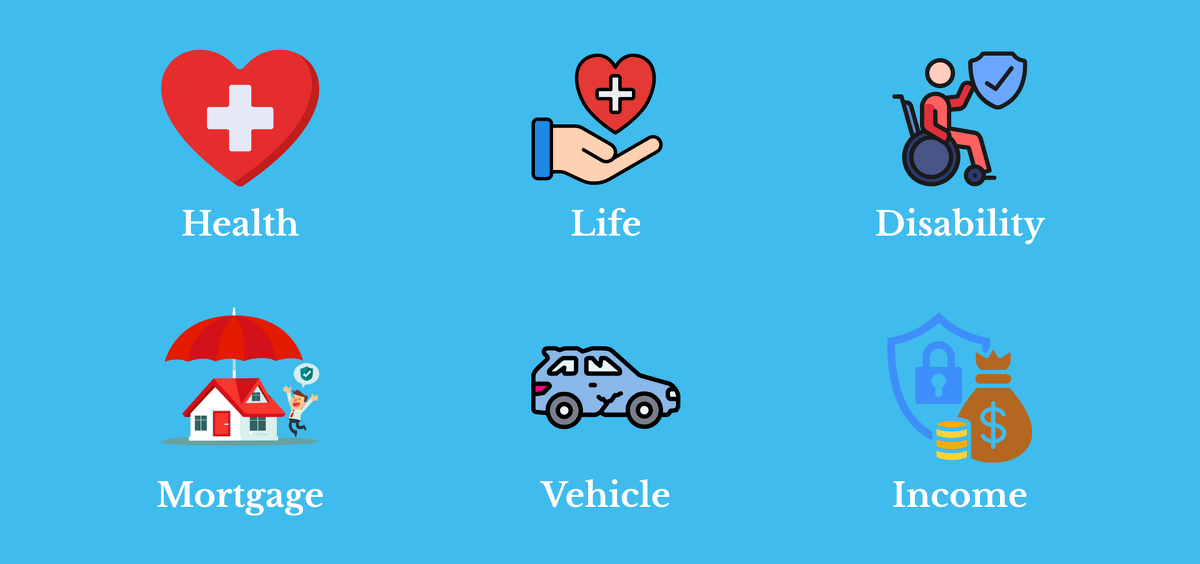
Mortgage protection does one thing: it pays your mortgage if you can’t work.
Income protection does much more: it pays you a monthly income so you can cover everything.
With mortgage protection, the bank keeps getting paid. Your home stays secure. But the rest of your life food, petrol, power, childcare, insurance, subscriptions, school fees, car payments, day-to-day expenses still depends entirely on your own savings or support networks.
Income protection takes a wider view. It replaces a portion of your actual salary, so you can keep your whole life running, not just your home loan. It gives you an income stream that moves with you, no matter where you live, what lender you’re with, or how high your expenses are.
In summary, mortgage protection keeps the roof over your head while income protection keeps your household functioning.
They’re both useful, but they’re not interchangeable.
Why this matters so much in New Zealand
Many people assume that if something goes wrong, ACC will look after them. Unfortunately, that’s only true if the issue is caused by an accident. And while accidents are dramatic, they’re not the most common reason people stop working.
In reality, most long-term time off work in New Zealand comes from illness.
Cancer. Heart complications. Joint problems. Chronic fatigue. Degenerative conditions. Mental health issues. Autoimmune diagnoses. Surgery recovery. Unexpected medical events that have nothing to do with accidents.
These are the scenarios where people need months, sometimes years off work. And these are exactly the situations where ACC does not step in.
That’s where income protection becomes essential. It fills the financial gap that ACC leaves wide open.
Think about what your income actually covers
Most people underestimate how much their income supports. It’s not just the mortgage. It’s the entire structure of your life.
Every time your pay comes in, it covers:
- groceries
- petrol
- power and internet
- insurance
- rent or mortgage
- children’s costs
- medical expenses
- car maintenance
- entertainment
- unexpected bills
- savings goals
- everything else you don’t think twice about
Your income is the backbone of your lifestyle. It’s the foundation that every other financial decision relies on.
If illness or injury suddenly removes that foundation, the rest of the structure can come crashing down quickly.
What happens if you don’t have income protection?
Most people rely on three things:
- Sick leave – usually only a couple of weeks.
- Savings – often far less than people think.
- Family support – helpful but limited.
Within a short time, those safety nets are stretched thin. And just as you’re trying to recover physically or emotionally, you’re suddenly dealing with financial stress too – bills piling up, missed payments, interest charges, mortgage pressure, and ongoing expenses with no income coming in.
Recovery is hard enough without the fear of falling behind financially. That’s the pressure income protection is designed to take off your shoulders.
How income protection works
Income protection pays you a set percentage of your salary each month while you’re unable to work. This means money is still coming in. Obligations are still being met. Life continues – maybe more slowly, maybe more carefully, but still moving.
It doesn’t just save you from short-term stress. It protects your long-term financial health:
- your credit score stays intact
- your mortgage stays on track
- your savings aren’t wiped out
- you avoid high-interest debt
- you keep your lifestyle steady
- you focus on recovery instead of panic
It turns a financial crisis into something manageable.
But isn’t mortgage protection enough?
Mortgage protection is great at protecting one part of your life – your home loan. And for many households, having that covered creates massive peace of mind.
But if your income is gone, and all your other expenses are still sitting there waiting for you, it doesn’t take long before things feel overwhelming. That’s why income protection is often considered the more comprehensive solution. It helps with everything, including your mortgage.
For many people, having both types of cover provides balanced protection but it depends on your job, your obligations, your lifestyle, and your budget.
That’s why good advice matters.
The bottom line
Your income is the one thing everything else relies on. It pays for your life today and builds your future tomorrow. Losing it suddenly – through sickness or injury – is one of the biggest financial shocks anyone can face.
Income protection is the safety net that keeps money flowing when you need it most. Mortgage protection is the safety net that keeps your home safe. Understanding the difference could be the thing that keeps your family secure during life’s toughest moments.
If you’d like help comparing your options and choosing the right protection for your situation, talk to us at The Mortgage Hub. We’re here to help you protect your income, your home, and your peace of mind.
Watch this video by Jo Muliaina, qualified financial adviser, explaining income protection and why getting it right really matters.