





Could a War Overseas Affect the Price of the Home You Buy in New Zealand?
Date 19 Jun 2026
When people think about buying a home, they usually focus on local things.
House prices. Mortgage rates. Open homes. Auctions. The bank. The deposit. The suburb they want to live in.
But sometimes, what happens overseas can also affect what happens here in New Zealand.
That does not mean a war overseas directly changes the price of a house in Auckland, Hamilton, Christchurch or Tauranga overnight. It is not that simple.
But global events can flow through the economy in ways that eventually affect inflation, interest rates, mortgage repayments, buyer confidence and, in some cases, property prices.
Here is how it works.
1. Global Conflict Can Push Up The Cost of Oil, Fuel and Shipping
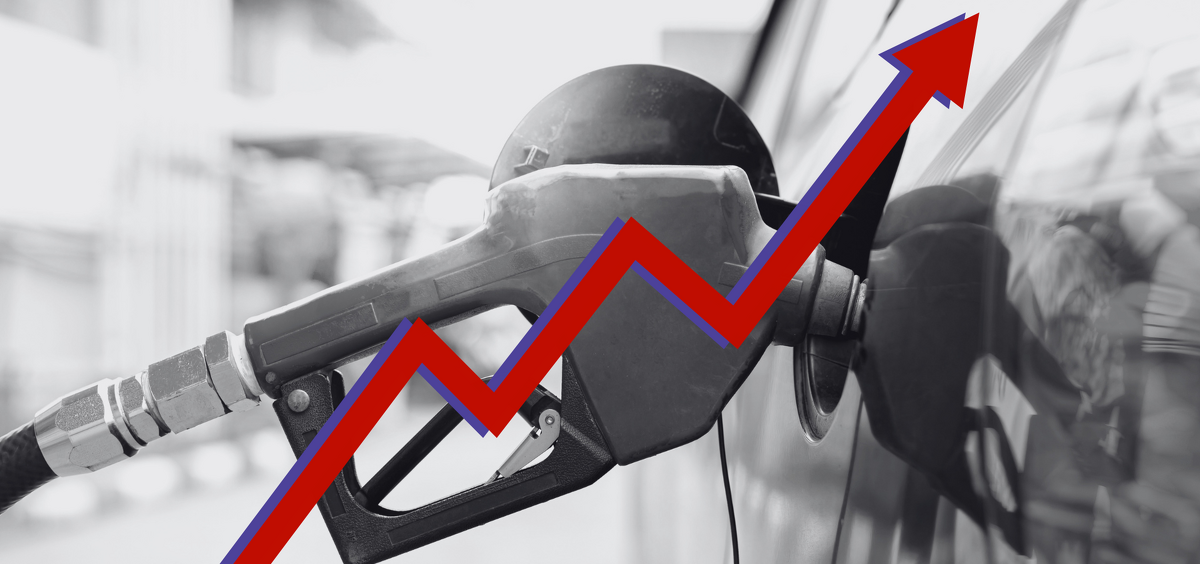
When there is conflict overseas, especially in areas that are important for oil supply or international shipping, the cost of moving goods around the world can increase.
New Zealand is a small country at the bottom of the world. We rely heavily on imported goods, fuel, materials, machinery, vehicles, food products, building supplies and everyday items that arrive by ship or air.
So when fuel and freight costs rise overseas, New Zealand can feel it too.
That can make it more expensive for businesses to transport goods, stock shelves, deliver products and complete construction projects.
Eventually, some of those higher costs can be passed on to
customers.
2. Higher Costs Can Push Inflation Up
Inflation simply means prices are rising.
If petrol becomes more expensive, groceries cost more to move, imported products cost more to bring in, and businesses face higher operating costs, inflation can become harder to control.
This matters because inflation affects almost everyone.
It affects the weekly shop. It affects power bills. It affects business costs. It affects building materials. And it affects how much money households have left over after paying for the basics.
When inflation is high, the Reserve Bank has less room to cut interest rates quickly.
3. Interest Rates May Stay Higher for Longer
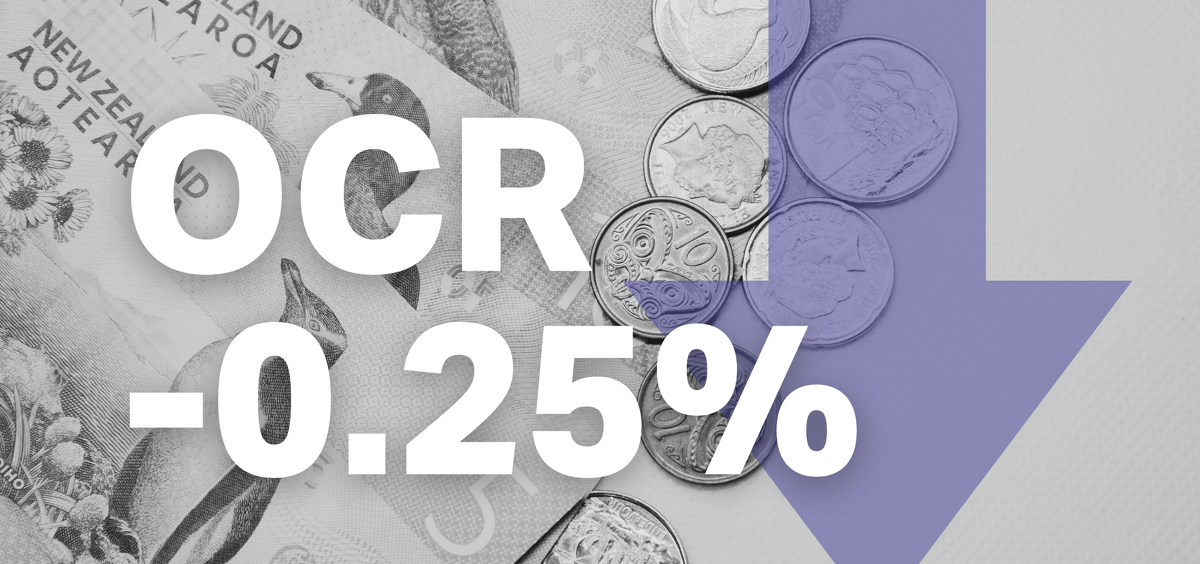
The Reserve Bank uses the Official Cash Rate, or OCR, to help control inflation.
When inflation is too high, interest rates often need to stay higher to slow spending and bring price rises back under control.
That does not mean mortgage rates always move exactly the same way as the OCR. Banks also consider other things, including wholesale funding costs, competition, risk and global financial markets.
But generally, when inflation is sticky, mortgage rates can remain under pressure.
For home buyers, this is important because your borrowing power is heavily influenced by interest rates.
A small difference in interest rates can make a big difference to your repayments and how much the bank is willing to lend you.
4. When Borrowing Costs Feel Uncertain, Buyers Often Pause
Property markets are driven by confidence.
When people feel confident about their income, interest rates and the wider economy, they are usually more willing to make decisions.
When things feel uncertain, many buyers do the opposite.
They pause. They wait. They keep watching. They tell themselves they will buy once things feel clearer.
That is understandable. Buying a home is one of the biggest financial decisions most people will ever make.
But when more buyers sit on the sidelines, the market can change.
There may be fewer people at open homes. Fewer offers. Less pressure at auction. More room to negotiate. And some vendors may need to adjust their expectations.
5. This Can Create Opportunity for Financially Ready Buyers
A slower market is not good or bad by itself. It depends on your situation.
For sellers, it may mean they need to be more realistic.
For buyers, especially those who already have finance sorted, it can create opportunity.
When fewer people are competing, a buyer may have more time, more choice and a better chance of securing a home that may have been out of reach in a hotter market.
This does not mean you should rush in.
It also does not mean you should try to perfectly “pick the bottom” of the market.
The truth is, no one can call the bottom perfectly. You usually only know the bottom after it has already passed.
A better question is:
- Can you afford the home comfortably?
- Does the property suit your needs?
- Have you allowed for rate changes?
- Do you have a buffer?
- Are you planning to hold the property long enough to ride through market cycles?
If the answer is yes, then a quieter market may give you a stronger buying position.
6. The Key Is To Know Your Numbers Before You Start Looking
This is where many buyers go wrong.
They watch the market, read the headlines and wait for the “perfect time”, but they do not actually know what they can afford.
Before you make decisions based on fear, news, interest rates or property headlines, it helps to understand your position clearly.
That means knowing:
- How much you may be able to borrow.
- What your repayments could look like.
- How different interest rates would affect you.
- How much deposit you need.
- Whether your KiwiSaver can help.
- What the bank may require.
- How much buffer you should keep aside.
Once you know your numbers, the market becomes easier to read.
You are no longer guessing.
You can look at homes with more confidence, understand whether a property is realistic, and act when the right opportunity appears.
Final Thought
A war overseas may feel far removed from buying a home in New Zealand.
But global events can affect fuel, freight, inflation, interest rates, buyer confidence and, eventually, the local property market.
The important thing is not to panic.
The important thing is to understand the flow-on effect, know your numbers and be ready to act when the right opportunity comes up.
Watch this video by our director Mils Muliaina as he explains this in detail.
If you are planning to buy, thinking about getting pre-approved, or simply want to understand what you may be able to afford, send us a message.
Our advice is free.