




Pre-Approved? The Bank Can Still Say No to the House
Date 27 Jun 2026
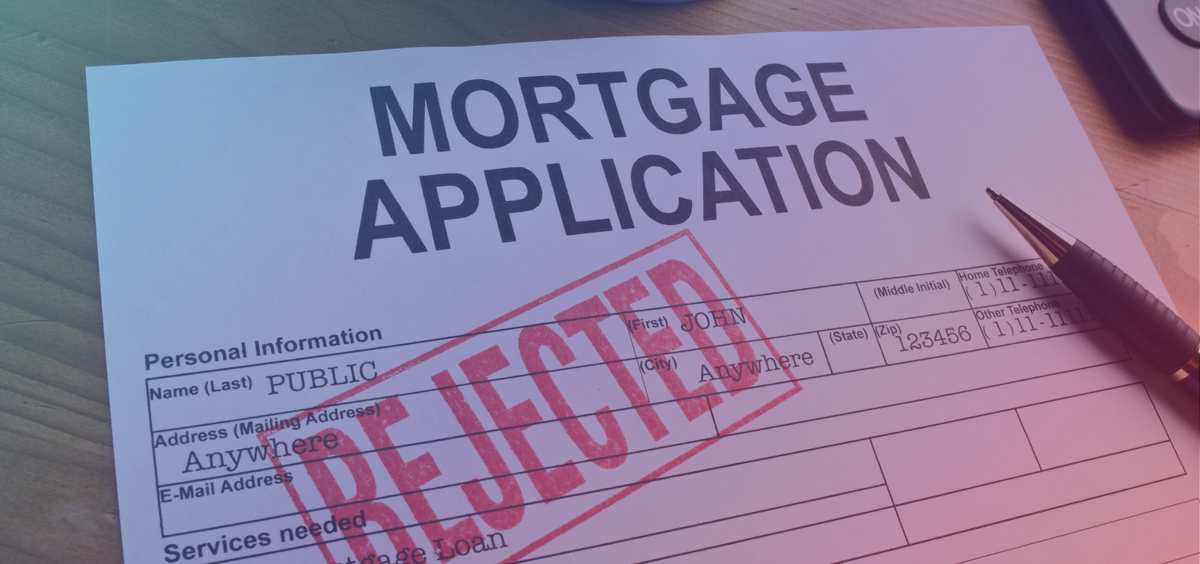
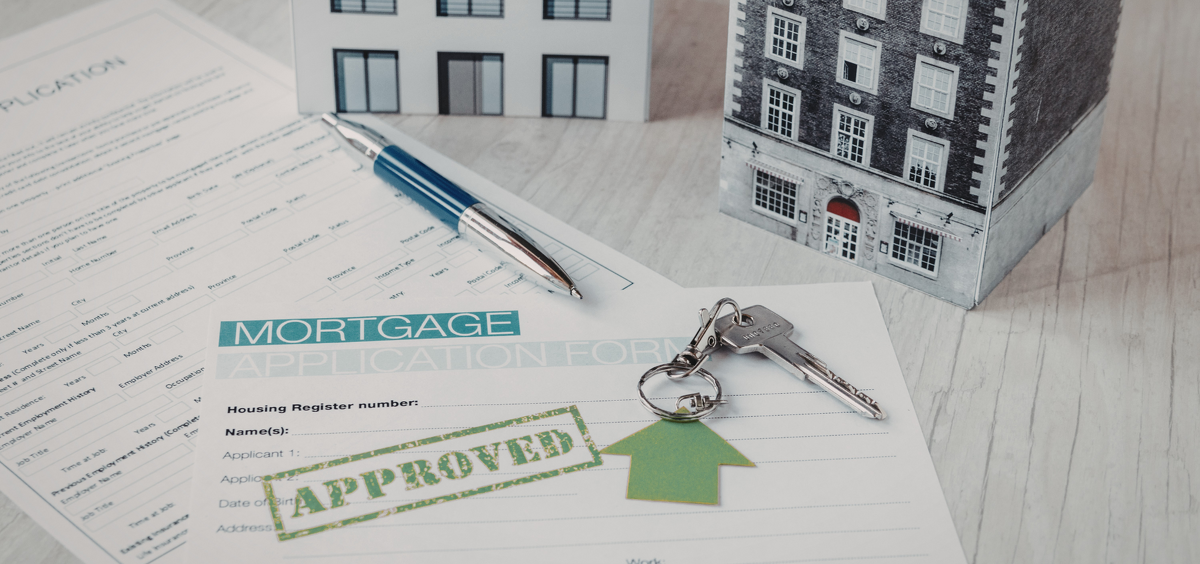
Getting pre-approved is an exciting step in the home-buying journey. It gives you a clearer idea of how much you may be able to borrow and helps you start looking at homes with more confidence.
But here is something many buyers do not realise:
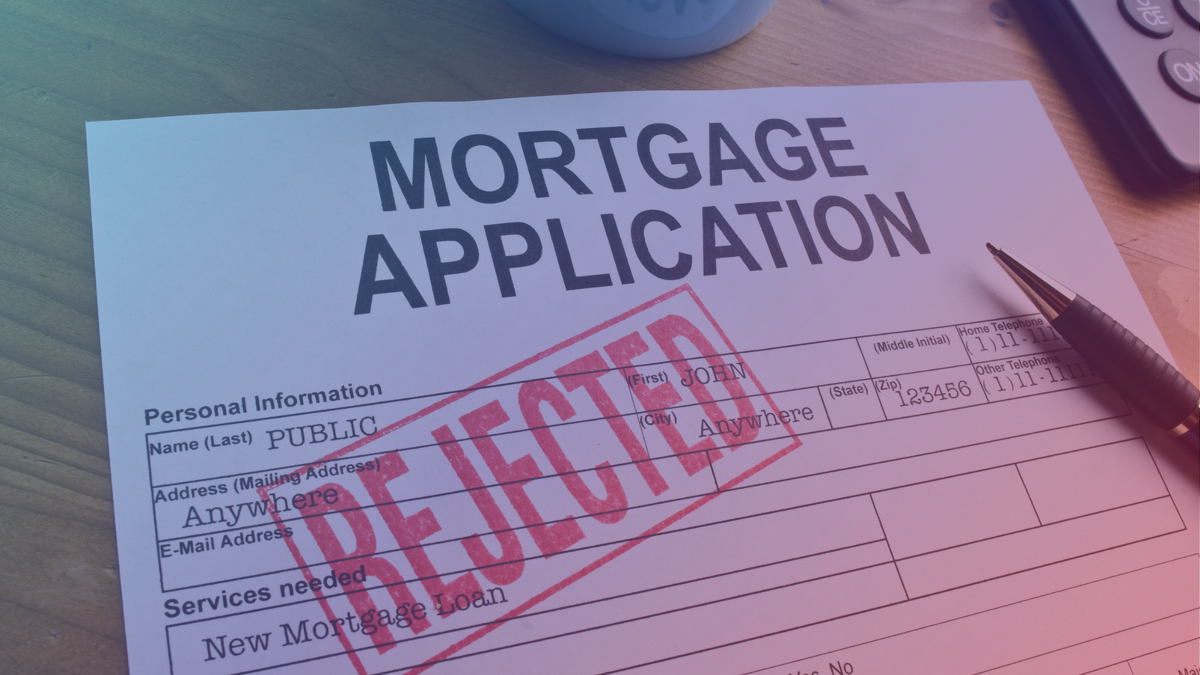
Pre-approval does not mean every house you choose will automatically be approved by the bank.
When it comes to getting a home loan fully approved, the bank looks at two things:
You.
And the Property.
What Does Pre-Approval Actually Mean?
Pre-approval means the bank has looked at your financial position and has given an indication of how much you may be able to borrow.
They will usually consider things like your income, expenses, deposit, debts, credit history and ability to repay the loan.
But pre-approval is normally still subject to conditions. One of the biggest conditions is that the bank must also approve the property you want to buy.
Why Does The Bank Need To Approve The Property?
The property is the security for the loan.
That means if the bank is lending you money to buy a home, they need to be comfortable with the property itself.
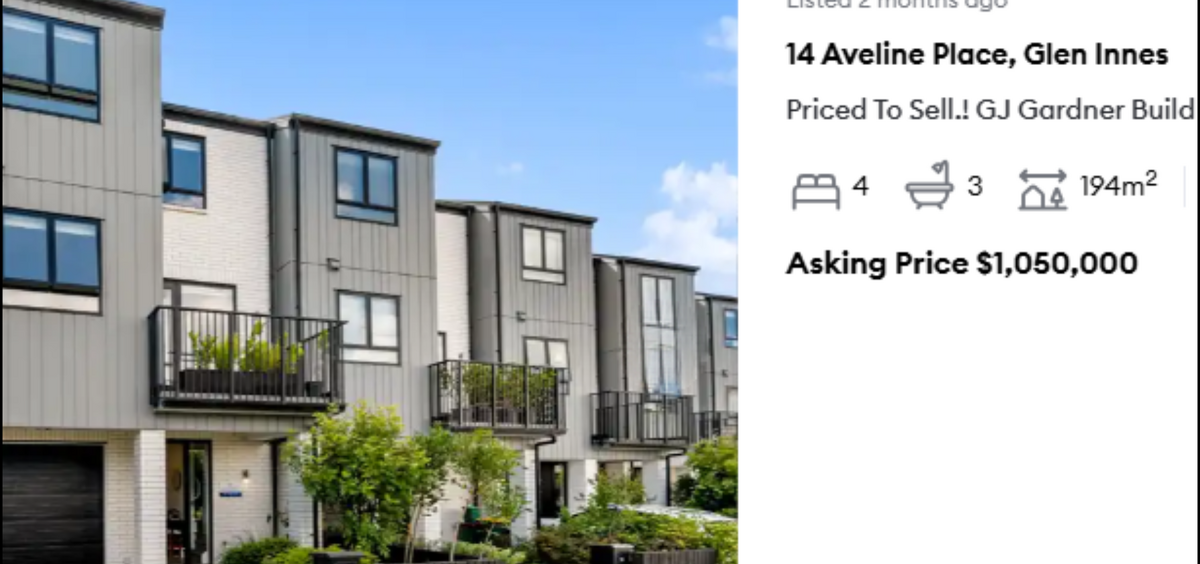
Even if your income and deposit look good, the bank may still raise concerns about the home you have chosen.
This can happen for several reasons.
Common Property Issues That Can Affect Finance Approval
The bank may want more information if there are concerns around:
The property’s value
If the bank believes the property is worth less than what you are paying, it may affect how much they are willing to lend.
Insurance
Some properties may be harder to insure, especially if there are risks around flooding, slips, construction type or location. If you cannot get suitable insurance, the bank may not approve the loan.
The property’s title
The bank and your lawyer will need to check the legal title. Things like
cross-lease conditions, body corporate rules, easements, covenants or other restrictions may need to be reviewed.
Weathertightness or building concerns
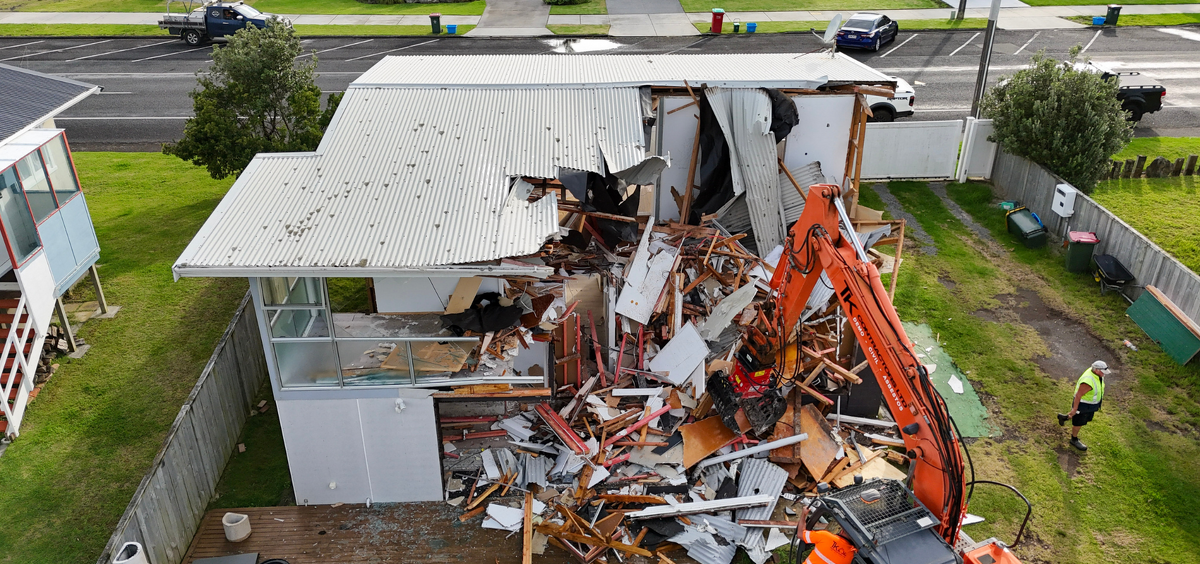
Homes with cladding issues, unconsented work, structural concerns or a history of leaks can create problems for lenders.
Apartments or unusual properties
Some banks have extra rules around apartments, leasehold properties, tiny homes, relocatable homes or properties with commercial use.
Why This Matters Before Making An Offer
This is where buyers can get caught out.
You may be pre-approved and feel ready to buy, but once you find a house, the bank still needs to approve that specific property.
That is why it is risky to make an unconditional offer before your finance has been fully approved.
Once an offer is unconditional, you are legally committed to buying the property. If finance then falls through, it can create serious financial and legal consequences.
What Should Buyers Do?
Before making an unconditional offer, speak with your mortgage adviser and lawyer.
Your mortgage adviser can help check whether the property is likely to meet the lender’s requirements and guide you through the finance approval process.
Your lawyer can review the sale and purchase agreement, title, LIM, property documents and any legal risks before you commit.
It is also worth considering a building report and confirming insurance early, especially if the property is older, unusual, recently renovated or in a higher-risk area.
Pre-Approval Helps You Search. Final Approval Helps You Buy.
The easiest way to think about it is this:
Pre-approval helps you understand your budget.
Final approval confirms the bank is happy with you and the property.
Both matter.
Pre-approval is a helpful first step, but final approval gives you more certainty before you go unconditional.
Planning to Buy?
Before you fall in love with a home, make sure the finance and property both stack up.
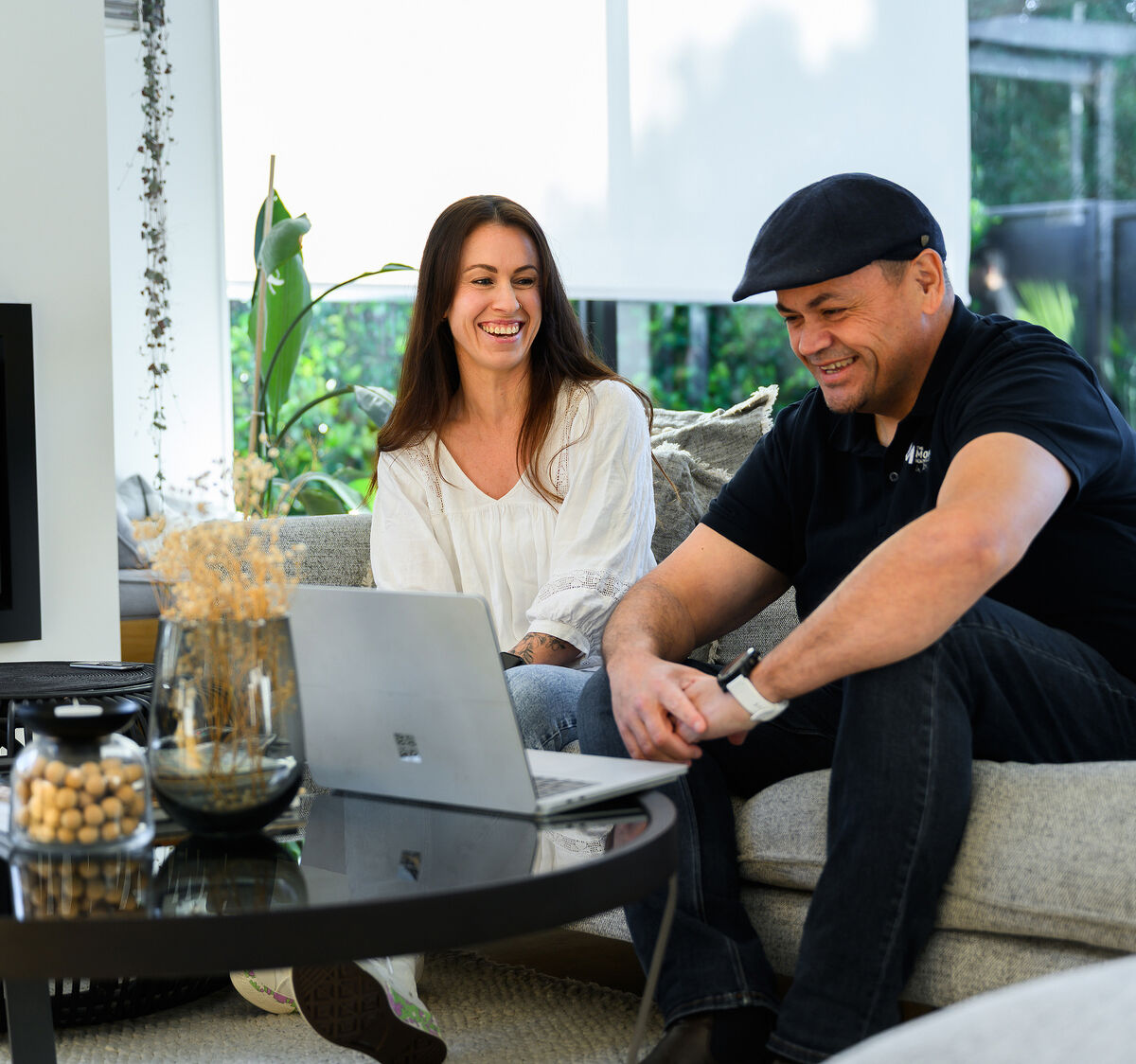
Watch this video from our Director, Mils Muliaina, as he explains why pre-approval is not the same as final approval – and why speaking with your mortgage adviser before making an unconditional offer can help you buy with more confidence.
Planning to buy? Send us a message.
Our advice is free.