



What Does It Actually Cost to Buy and Own a Home Like This?
Date 7 Mar 2026
When people look at a property listing, the first number they usually see is the purchase price. But what many buyers really want to know is this:
What does it actually cost to buy and live in the home?
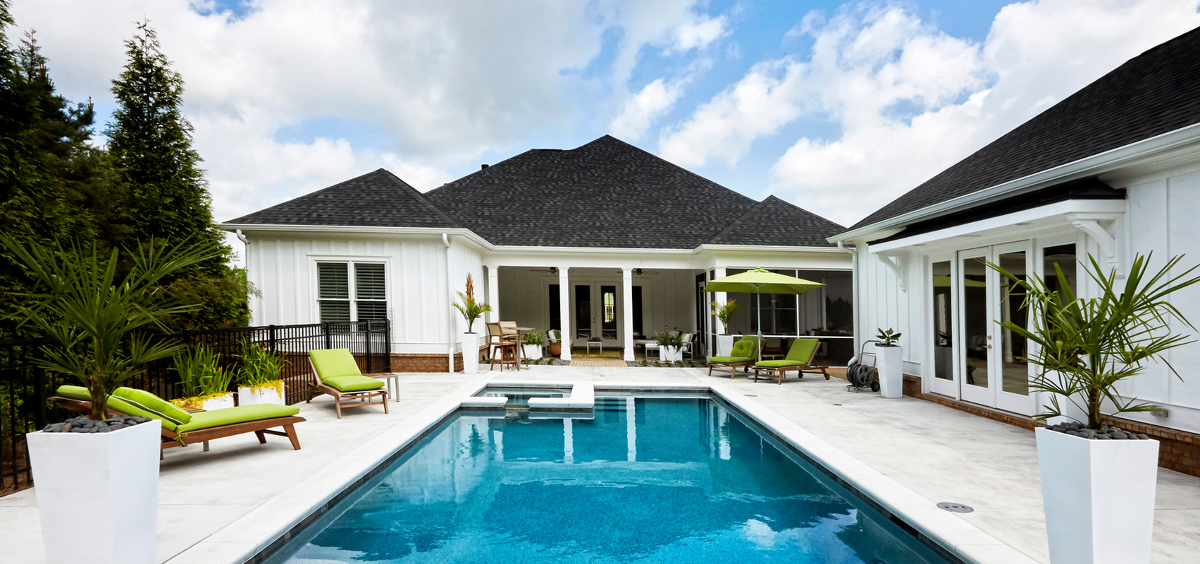
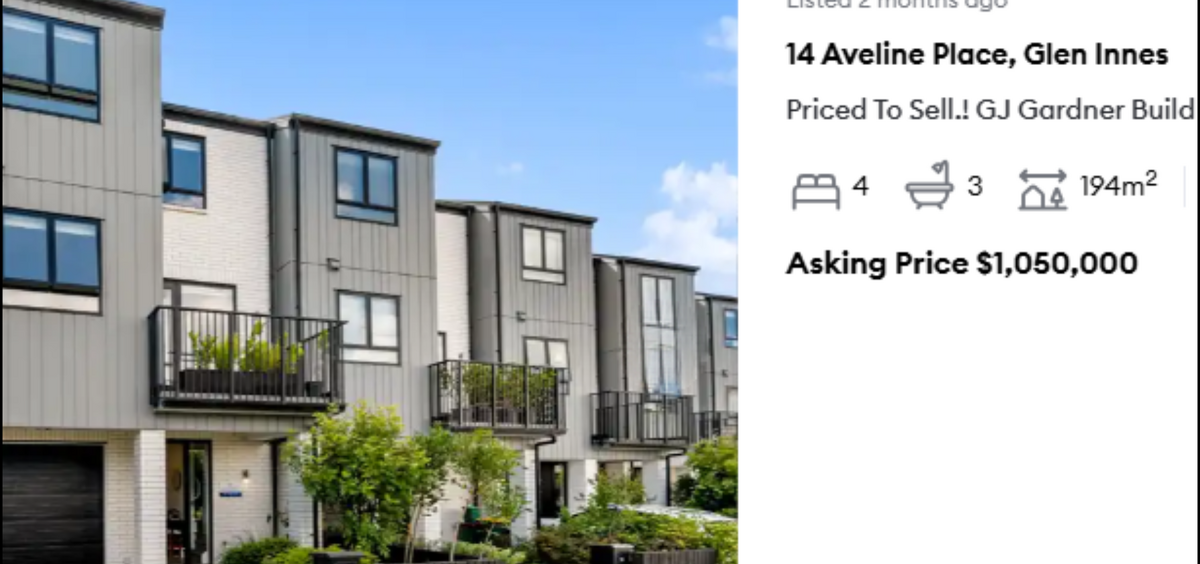
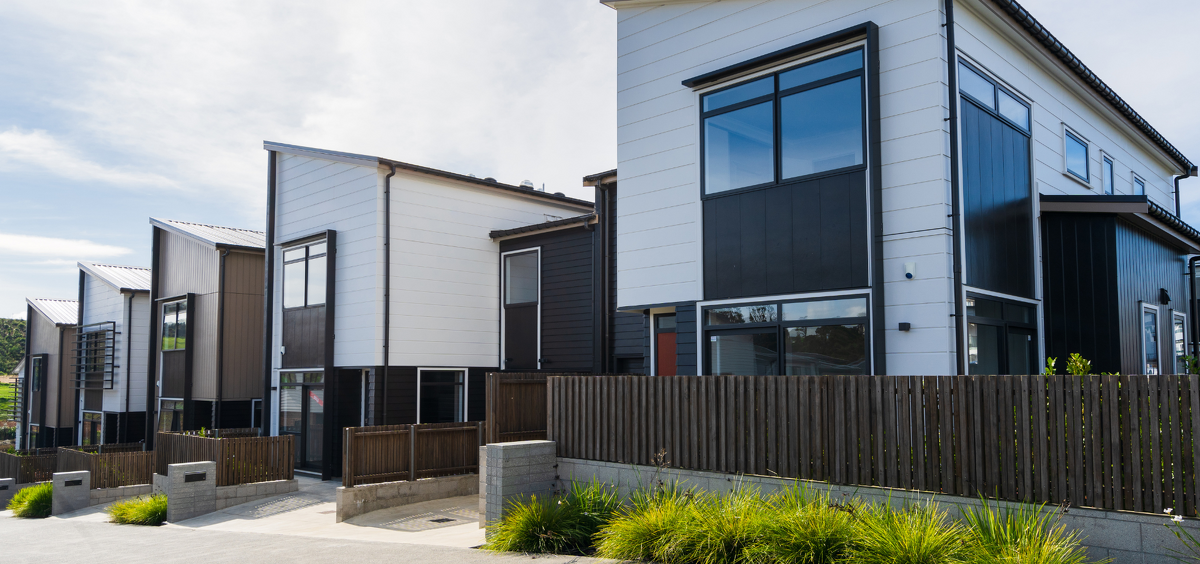
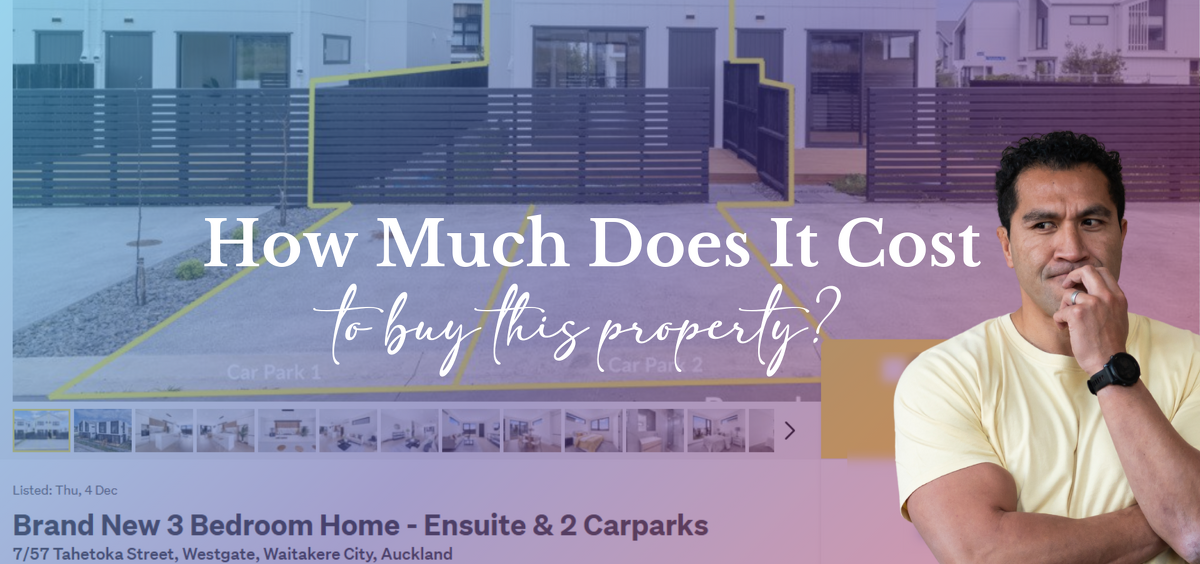
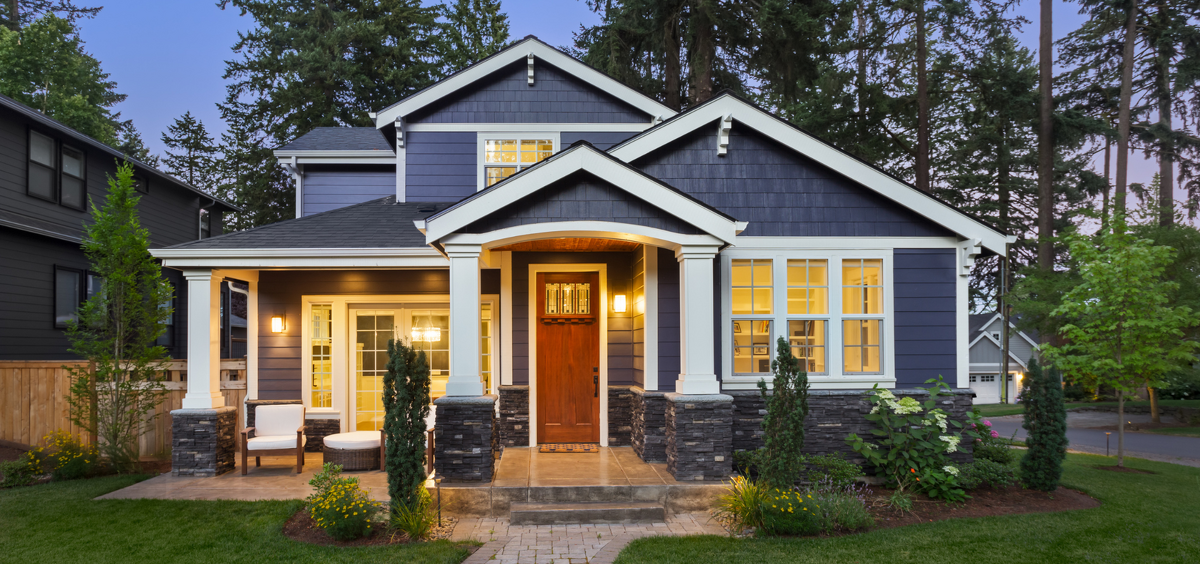
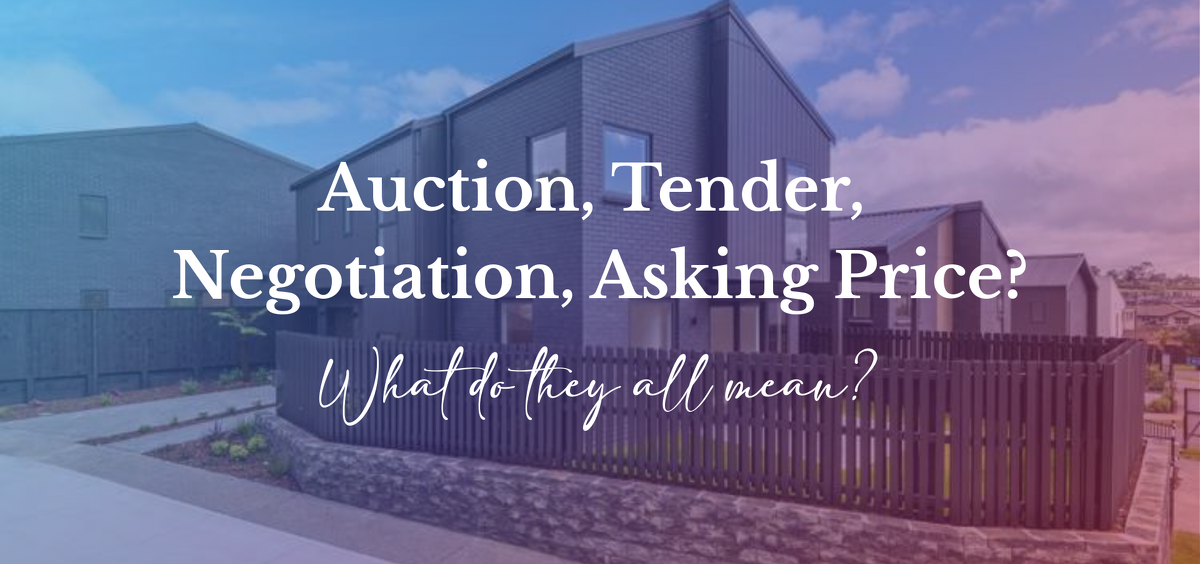
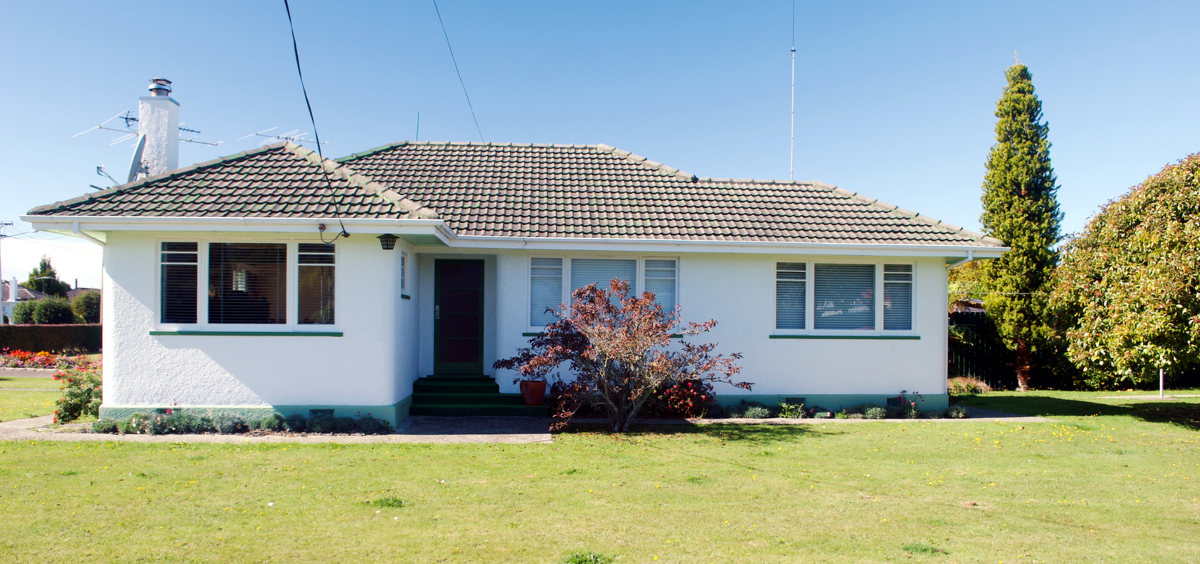
Let’s walk through a simple example using a brand-new three-bedroom, two-bathroom townhouse in Westgate, priced at $869,000. This will give you a clearer picture of how the numbers might look for a typical buyer.

Step 1: The Deposit
Most banks require a minimum 10% deposit for a standard home purchase.
For a property priced at $869,000, that would mean:
10% Deposit:
$86,900
However, some first-home buyers may qualify for a First Home Loan, which allows a deposit as low as 5%.
If eligible, that could reduce the deposit to:
5% Deposit:
$43,450
This can make a significant difference for buyers who are ready to own but still building their savings.
Step 2: Your Mortgage and Repayments
Once the deposit is paid, the remaining amount is financed through a mortgage.
With a 10% deposit, the loan amount would be approximately:
Loan amount:
$782,100
At an interest rate of 5.24% (including the Low-Equity Margin, rate at time of writing), the estimated fortnightly repayments would be around:
$1,991 per fortnight
This figure assumes a standard home loan structure and is intended as a guide only. Actual repayments will vary depending on the lender, loan term, and your personal financial situation.
Understanding the Low-Equity Margin
When a buyer has less than a 20% deposit, most banks apply something called a Low-Equity Margin (LEM.
This is an additional interest margin added to the loan to reflect the higher lending risk.
The good news is that it’s not permanent.
As your loan balance reduces and the property value grows, your equity increases. Once your equity reaches 20% or more, we can approach the bank to request the removal of the low-equity margin, which can reduce your interest rate and repayments.
Step 3: Other Costs to Budget For
Beyond the purchase price and mortgage, buyers should allow for a few additional costs when purchasing a home.
These typically include:
Legal Fees
A solicitor will handle the legal aspects of the purchase, including reviewing the agreement, managing settlement, and transferring ownership.
Building Inspection
Even for new homes, many buyers still choose to obtain a building inspection for peace of mind.
Moving Costs and Setup
Furniture, moving services, and setting up utilities are often overlooked but should be considered.
What About Ongoing Maintenance?
One advantage of purchasing a brand-new home is lower maintenance in the early years.
New builds in New Zealand are typically covered by a 10-year building warranty, providing reassurance against structural issues and major defects.
That means homeowners can generally expect lower maintenance costs compared with existing properties.
Why Running the Numbers Matters
Every buyer’s financial situation is different. Your deposit, income, loan structure, and eligibility for first-home buyer schemes can all change what the numbers look like.
What works for one buyer may look very different for another.
That’s why it’s helpful to sit down and run the numbers properly before making any decisions.
Want to See What It Looks Like for You?
If you’re curious about how the numbers work in practice, watch this video, where our director Mils Muliaina walks through a real example of what it might cost to purchase and own a brand-new townhouse like this.
Every buyer’s situation is different – from deposit size to income, lending structure, and eligibility for first-home buyer options. The best way to understand what’s possible is to run the numbers based on your own circumstances.
If you'd like to explore your options or see what buying could look like for you, feel free to get in touch.
Our team can help you understand your borrowing capacity, structure your loan properly, and guide you through the home buying process with confidence.