





Case Study: When Buying Together Fell Apart – And Buying Alone Became Possible Buying a first home o
Date 31 Dec 2025
Buying a first home often starts with a clear plan. Sometimes, that plan changes.
This case study is a reminder of why it’s so important not to assume what is or isn’t possible and why a proper conversation with a mortgage adviser can completely change the outcome.
The Situation: A Solid Plan, Suddenly Disrupted
Our client originally planned to purchase a home with his sister. Like many first-home buyers, they were combining incomes and savings to improve affordability and increase their chances of approval.
They had discussed locations, budgets, and next steps. Everything was moving in the right direction.
Then circumstances changed.
Due to a work opportunity in another city, his sister had to step away from the plan. With one income instead of two, he assumed the opportunity to buy had disappeared.
From his perspective, the maths no longer worked:
- One income instead of two
- Higher servicing pressure
- A deposit that felt “too small” on its own
So, he did what many people do – he ruled himself out.
The Assumption: “I Guess I Can’t Buy Anymore”
This is one of the most common and costly mistakes we see.
When plans fall apart, many buyers assume:
- They no longer meet bank criteria
- Their income isn’t enough
- Their deposit won’t stretch far enough
- Banks will automatically say no
Without advice, those assumptions often become permanent delays.
In this case, instead of shelving the idea entirely, our client decided to have a conversation with us before giving up.
That conversation changed everything.
Step One: Reviewing the Full Financial Picture
Rather than looking at the situation in isolation, we stepped back and assessed the full financial picture.
This included:
- Income structure and stability
- Existing expenses and liabilities
- Deposit position and KiwiSaver eligibility
- Lending options across multiple banks
- First-home buyer support and policy settings
What became clear very quickly was that while the original joint
plan had changed, the individual opportunity hadn’t disappeared, it just needed a different structure.
The Key Insight: Options He Didn’t Know Existed
By working through the numbers properly, we were able to identify options he didn’t realise were available to him.
These included:
- Lending structures better suited to a single income
- Adjusting price expectations without compromising long-term value
- Bank policy differences that worked in his favour
- Servicing calculations that were more flexible than expected
This is where professional advice makes a real difference.
Different banks assess income, expenses, and risk differently. Without guidance, buyers often assume all banks will view them the same way – which simply isn’t true.
Strategy: Reframing The Purchase, Not Abandoning It
Instead of asking, “Can he still buy?” We reframed the question to: “What does buying look like now?”
That shift opened up a practical, achievable pathway forward.
Together, we:
- Reset expectations around budget and loan structure
- Selected lenders aligned with his profile
- Structured the application to highlight strengths, not weaknesses
- Planned the purchase with sustainability and comfort in mind
This wasn’t about stretching him to the limit – it was about setting him up confidently.
The Outcome: A First Home Purchase, Solo
With the right advice and structure in place, our client was approved for lending and went on to purchase his first home on his own.
What started as disappointment and uncertainty turned into:
- Confidence in his financial position
- Clarity around his borrowing power
- Relief that he hadn’t missed his chance
- Excitement about becoming a homeowner
Most importantly, he walked away knowing he made the decision with full information – not assumptions.
Why This Matters: The Cost of Self-Disqualification
This case highlights a critical issue we see all the time.
Many people disqualify themselves before a bank ever does.
Life changes – relationships, jobs, plans – but that doesn’t automatically mean home ownership is no longer achievable. It often just means the strategy needs to change.
Without advice, people tend to:
- Overestimate how strict banks are
- Underestimate their own borrowing ability
- Miss out on policy nuances that could help them
- Delay buying for years unnecessarily
A single conversation can prevent that.
The Value of Advice: Beyond Just a Loan
Mortgage advice isn’t just about getting a “yes” from a bank.
It’s about:
- Understanding your real position
- Exploring realistic options
- Making informed decisions
- Avoiding costly assumptions
- Creating a plan that fits your life, not just today, but long term
In this case, the client didn’t need a miracle – he needed clarity.
A Simple Takeaway
If there’s one lesson from this story, it’s this:
Don’t assume you can’t.
If your circumstances have changed whether it’s a partner stepping away, a job change, or a shift in income, it doesn’t automatically mean buying is off the table.
It just means it’s time to talk.
Our Approach at The Mortgage Hub
At The Mortgage Hub, we take an advice-first approach.
We:
- Sit down and understand your situation properly
- Look at the full picture, not just surface numbers
- Explain your options clearly and honestly
- Help you make confident, informed decisions
And importantly, our advice is free.
No pressure. No obligation. Just clarity.
Thinking About Buying Or Thought You Couldn’t?
If you’ve ruled yourself out, paused your plans, or assumed you don’t qualify anymore, this story is your reminder to check before you decide.
Come talk to us first.
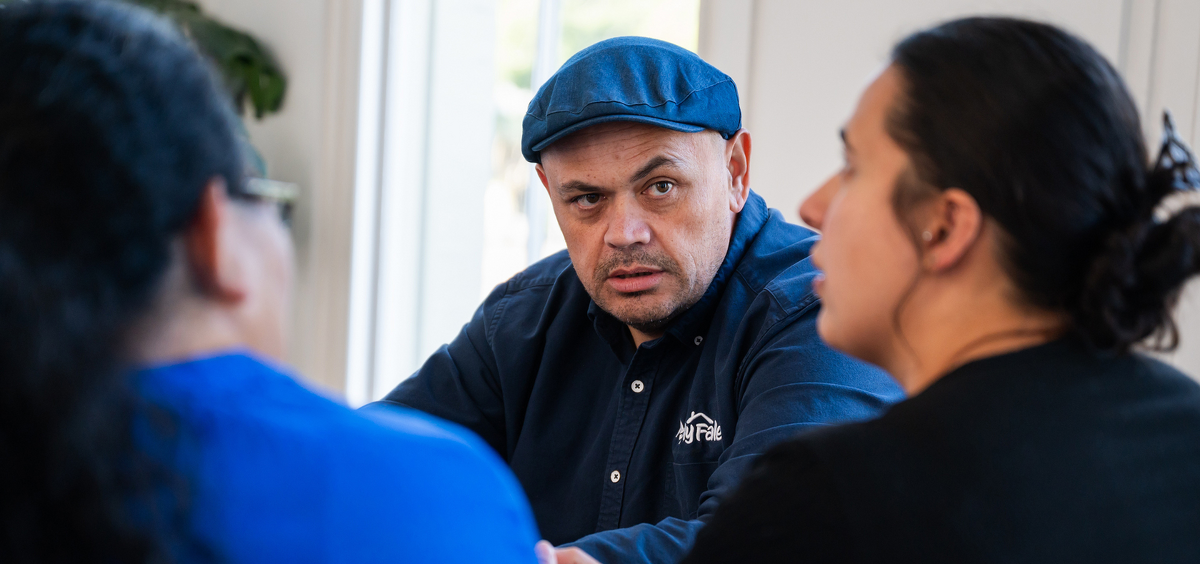
Watch this video by our director Vinnie McClafferty on how we helped this client purchase his first home.