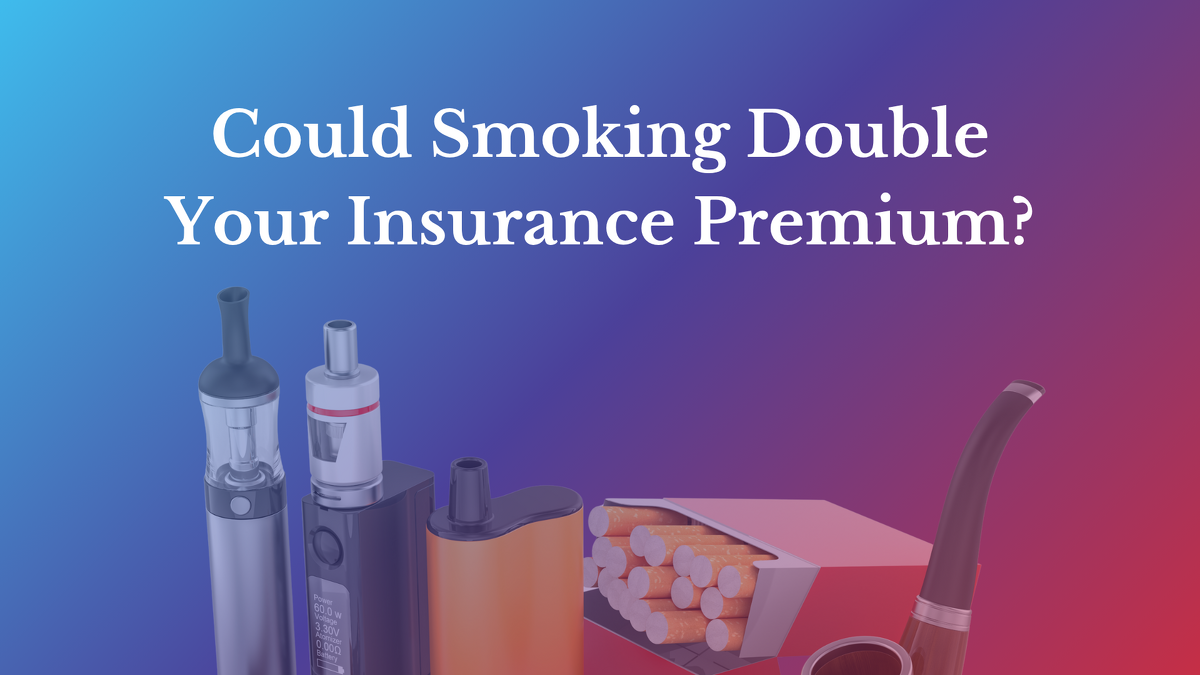






Could Smoking Double Your Insurance Premium?
Date 2 Sep 2026
Did you know smoking or regularly vaping nicotine could almost double what you pay for some types of personal insurance?
It can be surprising, especially if you vape and do not consider yourself a smoker. However, when you apply for personal insurance in New Zealand, insurers look at more than your age and the amount of cover you want. Your health, medical history, occupation and lifestyle can all influence how your application is assessed and what your cover may cost.
For some types of personal insurance, people classified as smokers may pay significantly higher premiums than non-smokers. Depending on the insurer, regular nicotine vaping may also place you within its smoker category.
That difference can affect what you pay today and the insurance options available to you in the future.
Why Smoking Can Affect Your Insurance Premium
Insurance premiums are based on risk. When an insurer reviews your application, it considers how likely you may be to make a claim and how much that claim could cost.
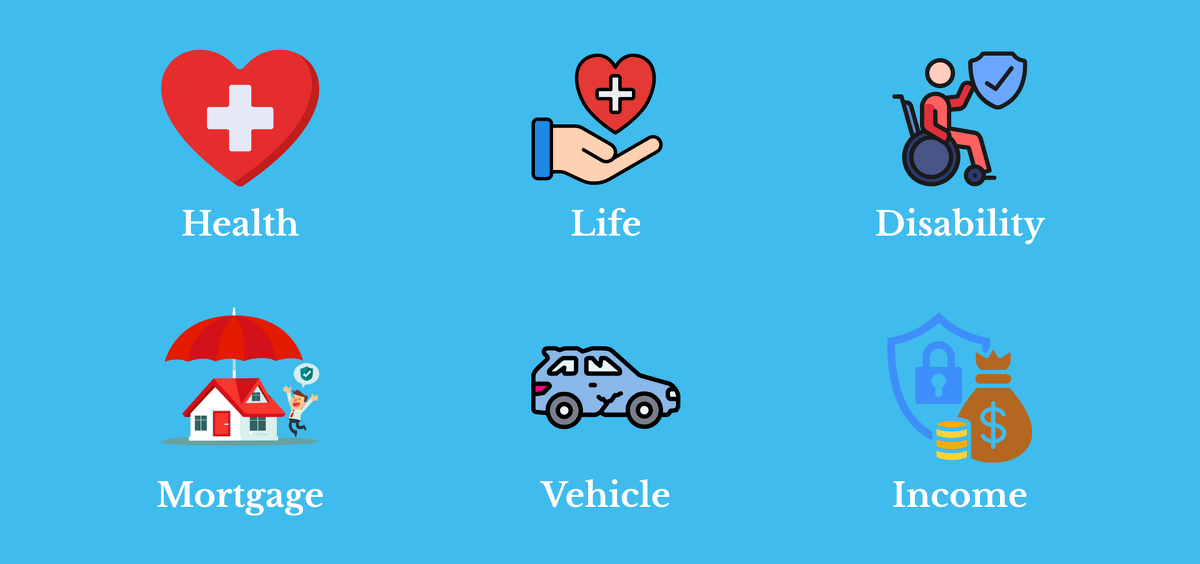
Smoking is associated with a range of serious health conditions, so insurers generally consider it a higher-risk activity. This increased risk can affect premiums for underwritten personal insurance, including life, trauma, total and permanent disability, income protection and mortgage protection.
The effect will depend on the type of cover, the insurer and your individual circumstances. Smoking status may have a significant effect on some policies while having little or no effect on others.
Your age, current health, medical history, occupation, family history and recreational activities may also influence your premium or policy terms. Smoking or vaping is therefore only one part of the assessment, but it can be an important one.
This is why two people applying for the same amount of cover may receive different premiums. The policy may look similar, but the insurer is pricing the cover according to each person’s risk profile.
Does Vaping Count as Smoking?
Many people switch from cigarettes to vaping and assume an insurer will automatically treat them as a non-smoker. However, regular nicotine vaping may still be included within an insurer’s definition of smoking.
Some insurers use a broad definition that can include cigarettes, cigars, pipes, e-cigarettes, vaping and nicotine replacement products. Others may ask more detailed questions about what you use, whether it contains nicotine, how regularly you use it and when you last used it.
The insurer’s definition matters more than the label you personally use. You may not describe yourself as a smoker in everyday life, but your application could still be assessed using smoker rates if you regularly vape nicotine.
It is important to answer every application question fully and accurately. Do not select “non-smoker” simply because you vape instead of smoking cigarettes. If you are unsure how a question applies to your situation, ask for advice before submitting the application.
Accurate disclosure allows the insurer to assess your application properly. It also reduces the risk of delays, disputes or other problems if you later need to make a claim.
Every insurer has different definitions and underwriting rules, so the way one company assesses vaping may not be the same as another. Comparing insurers can therefore involve more than looking at the lowest advertised premium.
Why Applying Earlier Can Matter
Personal insurance is often something people plan to organise later. However, your health and lifestyle at the time you apply can affect the cost, conditions and options available to you.
Putting suitable protection in place while you are younger and healthier may make a meaningful difference. A future medical diagnosis, change in occupation or continued nicotine use could lead to higher premiums, exclusions, additional conditions or fewer insurance options.
This does not mean you should rush into purchasing cover you do not understand or cannot afford. It means there can be value in reviewing your risks before your circumstances change.
Because premiums are based on your health and lifestyle when you apply, your nicotine use today could affect the cost and options available to you later. Putting suitable cover in place while you are young and healthy may help you access more favourable terms.
The Mortgage Hub can help you understand how different insurers may assess smoking or vaping, so you can make an informed decision about your cover.
Nicotine-Free For 12 Months? It's Time To Review Your Cover
If you have stopped smoking or vaping, your premium may not change automatically. You may need to contact your insurer and ask for your smoking status to be reviewed.
Some insurers may consider you for non-smoker rates after you have been nicotine-free for at least 12 months. Others may use a different definition or ask for additional information before making a decision.
You may need to complete a non-smoker declaration, answer updated health questions or provide evidence about when you stopped. Approval is not automatic, and the outcome will depend on the insurer, your policy and your current health.
If you already have cover, a review can help you determine whether you are still classified correctly and whether your premium could be reduced. However, avoid cancelling an existing policy before any replacement cover has been accepted and you understand its terms. A new application will be assessed using your health and lifestyle at that time.
Not sure whether your smoking or vaping habits place you in the smoker category? Or have you been nicotine-free and want to know whether you could qualify for different rates?
Watch Jo Muliaina, qualified financial adviser and insurance specialist at The Mortgage Hub, explain how nicotine use may affect your personal insurance premiums.
If you would like to understand how this applies to your current cover, send us a message. We can review your classification and talk you through your options – our advice is free.