





The OCR Increased by 0.25% – What Does It Mean for Your Mortgage?
Date 4 Aug 2026
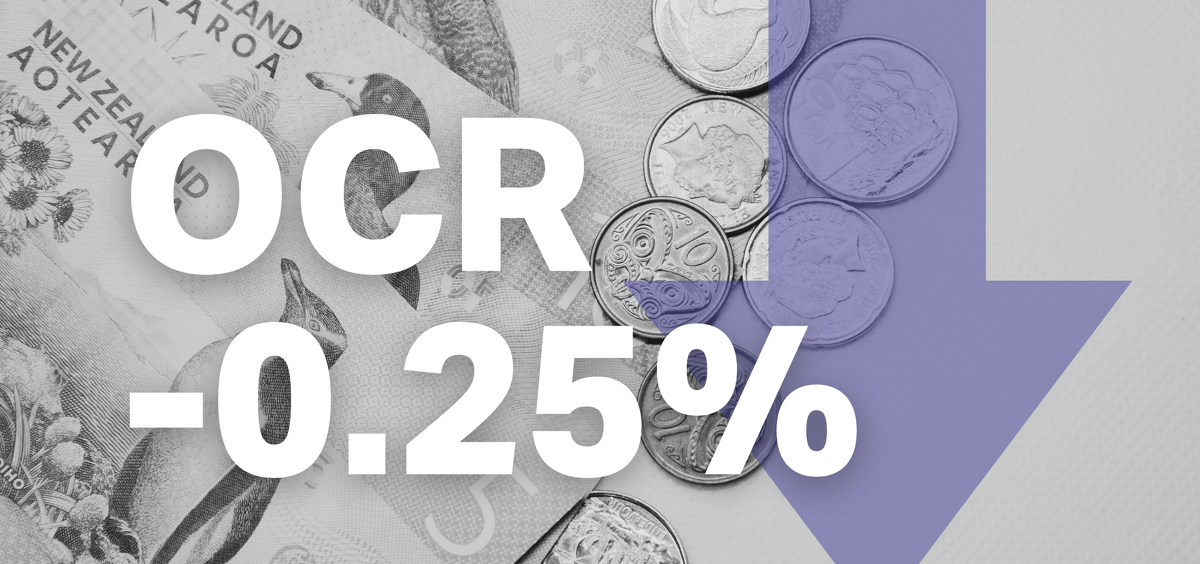
On 8 July 2026, the Reserve Bank increased the Official Cash Rate by 0.25 percentage points, taking it from 2.25% to 2.50%.
The increase is part of the Reserve Bank’s effort to bring inflation back towards the 2% midpoint of its target range. But for homeowners, the more immediate question is much simpler:
“What does this mean for my mortgage?”
Floating Rates Moved First
The most immediate changes have been to floating and variable home-loan rates.
Several major banks passed the full 0.25 percentage-point increase through to these borrowers. ANZ increased its floating and flexible home-loan rates by 0.25 percentage points, while Westpac also lifted its variable lending rates following the OCR announcement.
That is because floating rates tend to respond more directly to changes in the OCR.
Think of the OCR as the Reserve Bank adjusting the economy’s thermostat. Floating rates often feel the temperature change fairly quickly. Fixed rates, however, may take a little longer to decide whether they need a jumper.
Why Haven’t Fixed Rates Jumped Too?
Fixed mortgage rates are influenced by more than the OCR alone.
Banks also consider wholesale funding costs, swap rates, competition between lenders and what financial markets expect the Reserve Bank will do next.
In this case, markets had already been anticipating OCR increases during 2026, meaning some of the expected movement had already been reflected in wholesale rates before the July announcement. Westpac, for example, increased its variable rates but initially left its fixed home-loan rates unchanged.
That does not mean fixed rates cannot rise. It simply means they do not always move at the same time – or by the same amount as the OCR.
Already Fixed? Nothing Changes Today
For homeowners currently on a fixed rate, the July OCR increase does not immediately change your interest rate or scheduled repayments.
Your agreed rate generally remains in place until the end of your fixed term. So there is no need to panic, cancel Netflix or put the family on instant noodles just yet.
However, the situation becomes more important as your fixed term approaches its expiry date.
Coming Up for Renewal? Start Looking Early
The next OCR announcement is scheduled for 2 September 2026, but banks do not have to wait until then to adjust their mortgage rates. Fixed rates can move whenever wholesale costs, market expectations or competitive conditions change.
That means the rates available today may not be the same rates available when your mortgage rolls over.
Starting the conversation early gives you time to:
- Compare rates and terms across different lenders
- Consider whether to fix, float or split your lending
- Review your repayments and household budget
- Negotiate rather than automatically accepting the first offer
- Check whether your current mortgage structure still suits your plans
The lowest advertised rate is not always automatically the best option, either. Flexibility, fees, cashback conditions, repayment options and the length of the fixed term can all affect the overall value.
Don’t Panic – But Don’t Leave It Until The Last Minute
One OCR increase does not mean every mortgage rate will suddenly shoot upwards overnight.
But it is a useful reminder that the interest-rate environment is changing. Homeowners approaching renewal should pay attention, prepare early and avoid simply clicking “accept” on the first rate their bank sends through.
Coming up for renewal? Don’t just accept the first rate you’re offered. Reach out to us at The Mortgage Hub and we’ll help review your options – our advice is free.