





Why Pre-Approval Is a Guide – Not a Guarantee
Date 21 Feb 2026
If you’re planning to buy a home, one of the first steps is getting a pre-approval from the bank.
Many buyers hear the words “you’re pre-approved” and assume their finance is locked in.
It’s not.
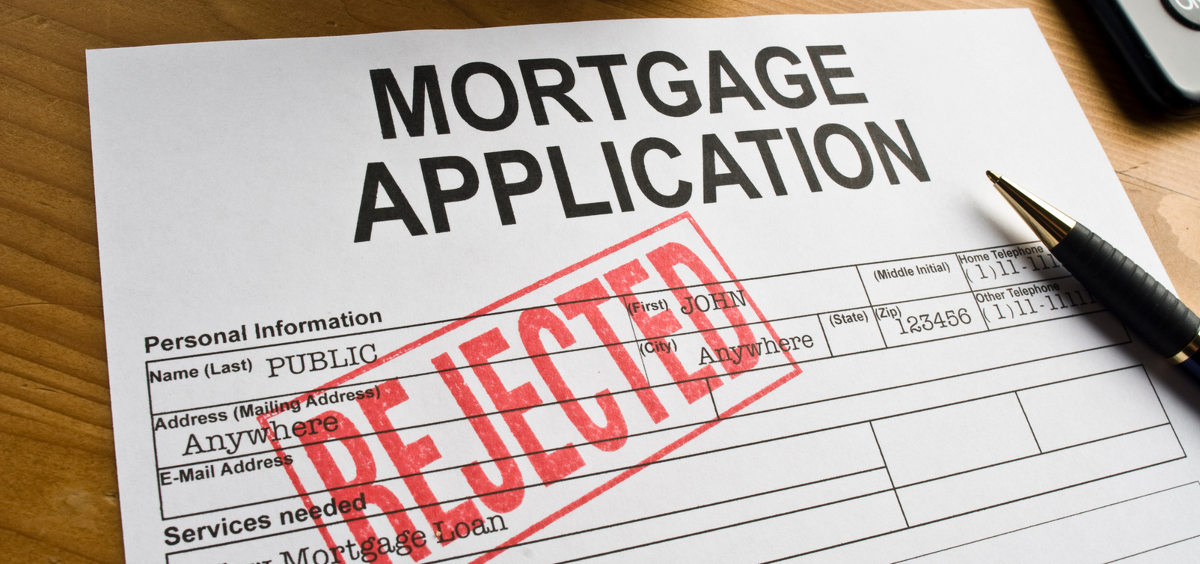
Pre-approval is helpful and important but it’s a conditional green light, not a final contract. Understanding the difference can save you stress, disappointment, and even a lost deal.
What Is a Pre-Approval?
A pre-approval is a lender’s indication that, based on the information you’ve provided:
- Your income
- Your savings and deposit
- Your debts and expenses
- Your credit history
You appear able to borrow up to a certain amount.
It is usually valid for 60–90 days.
But it is based on:
- The information available at the time
- Certain conditions still being met
It is not unconditional approval.
Why It’s a Guide – Not a Guarantee
There are still steps between pre-approval and full approval. The bank must confirm:
- The property you choose is acceptable security
- Your financial situation hasn’t changed
- You still meet lending policy at the time of purchase
Until those boxes are ticked, the loan is not fully locked in.
Common Examples That Can Affect Final Approval
Here are real-world situations where a pre-approval can change:
1. The Property Itself
Not all properties are treated the same.
Example:
- An apartment with very small floor area
- A leasehold property
- A home with structural issues
The bank may reduce the amount they’re willing to lend or
decline it entirely even if you were pre-approved.
2. Changes in Spending
Banks often recheck your bank statements before issuing final approval.
Example:
- Large new purchases
- Increased credit card spending
- Ongoing “buy now, pay later” accounts
If your expenses rise significantly, your borrowing capacity can drop.
3. Taking on New Debt
Example:
- Financing a new car
- Opening a new credit card
- Increasing a credit limit
Even small changes can affect your debt-to-income position.
4. Policy Changes
Bank lending rules can change between pre-approval and purchase.
Interest rates, internal risk settings, or government regulations can shift. A pre-approval doesn’t override new policy.
So What Is Pre-Approval Good For?
Pre-approval still plays a critical role:
- It gives you a realistic budget
- It strengthens your position when making offers
- It shows agents and vendors you’re serious
- It helps you move quickly when you find the right property
But it should be viewed as a working range, not a blank cheque.
How to Protect Your Pre-Approval
If you’re house hunting, here are simple rules:
- Don’t take on new debt.
- Keep spending steady and sensible.
- Talk to your adviser before making large purchases.
- Check the property type with your adviser before going unconditional.
- Stay within your approved amount – don’t stretch without checking.
The Bottom Line
Pre-approval is the first step – not the final step.
It gives you a strong indication of what may be possible, provided your situation stays the same and the property meets the bank’s requirements. When buyers understand this clearly, they avoid last-minute surprises and negotiate with confidence.
If you’re planning to buy this year and want clarity around your own pre-approval – what it covers, where the risks are, and how to protect it – have a conversation with us before you make an offer. A short discussion upfront can save significant stress later.
You can also watch our director, Mils Muliaina’s short video where he explains why pre-approval doesn’t always mean what people think it means – and what smart buyers should know before going unconditional.