


Why 2026 Could Be the Right Year to Buy Your First Home
Date 6 Feb 2026
If you’ve been thinking about buying your first home but keep telling yourself, “Maybe next year”, 2026 might be the year that changes that.
We’re seeing a combination of conditions that don’t come around often. Interest rates have settled, house prices are still relatively flat, there’s more choice on the market than we’ve seen in years, and banks are actively lending again – even to buyers with smaller deposits.
In simple terms, the market is calmer, more balanced, and more buyer-friendly than it has been for a long time.
Interest Rates Have Stopped the Rollercoaster
Over the past few years, interest rates felt like a moving target. They climbed quickly, which pushed many buyers to the sidelines.
Now, things look different.
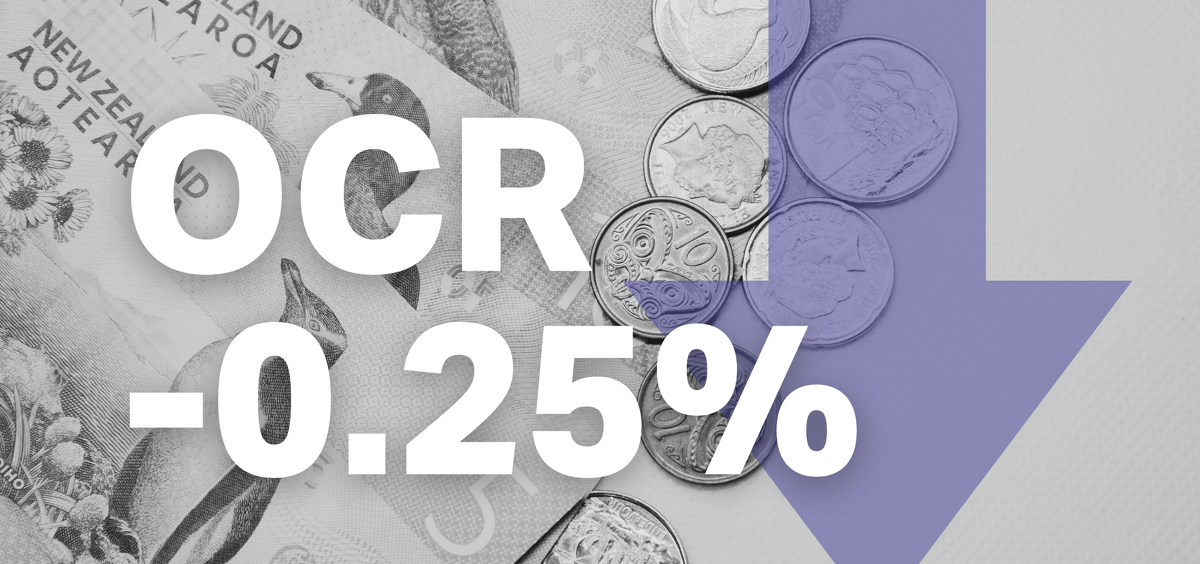
Rates have eased from their peaks and, more importantly, they’ve stabilised. That matters because certainty is just as important as the rate itself. When rates are steady, buyers can plan, budget, and make decisions with confidence instead of fear.
For many first-home buyers, repayments are now closer to what they’re already paying in rent. In some cases, owning is even cheaper especially when you factor in flat prices and realistic purchase expectations.
House Prices Are Still Flat (For Now)
We’re not seeing runaway price growth right now and that’s good news if you’re buying your first home.
Prices have come off their highs, which means you’re not competing in the kind of overheated market where everything sells after the first open home. You can take your time, compare options, and negotiate.
This is the kind of market where buyers have leverage:
- You can ask questions
- You can include conditions
- You can walk away if it doesn’t stack up
That breathing room is invaluable when you’re making the biggest purchase of your life.
There’s Still Plenty of Choice on the Market
One of the biggest frustrations for first-home buyers in hot markets is lack of choice. When listings are low, pressure goes up, and buyers feel rushed into decisions.
Right now, stock levels are still high compared to long-term averages. While listings have started to come down slightly, there’s still a wide range of properties available across many regions.
More choice means:
- Less panic
- More time to think
- Better alignment between what you want and what you buy
That’s a strong position to be in.
Banks Are Lending Again – Even with Smaller Deposits
There’s still a common belief out there that you must have a 20% deposit to buy a home. For many first-home buyers, that belief alone stops them from even having a conversation.
The reality in 2026 is different.
Banks have more flexibility to lend to owner-occupiers with deposits below 20%. That has opened the door for many buyers who previously
thought home ownership was years away.
KiwiSaver continues to play a major role for first-home buyers, often forming a significant part of the deposit. Combined with more flexible lending policies, this has allowed more people to get approved sooner than they expected.
That said, smaller deposits usually mean banks take a closer look at:
- Your income stability
- Your spending habits
- Your ability to service the loan under higher interest rate scenarios
This is where getting proper advice matters. Structure and preparation can make a huge difference.
Election Year = A Quieter Market
With a general election later this year, we’re already seeing a familiar pattern emerge.
As elections get closer, many buyers and sellers pause. People sit on their hands, waiting to see:
- Which government gets in
- What policy changes might come
- How the economy reacts
Historically, this slowdown can create opportunities especially for first-home buyers. With fewer people actively bidding, competition tends to soften, and sellers are often more open to negotiation.
Waiting until after an election often means waiting until confidence floods back in and with that, competition and prices.
Renting vs Buying: The Gap Is Narrowing
For years, many first-home buyers were told it was cheaper to rent than to buy. In some cases, that was true.
In 2026, that gap has narrowed significantly.
Lower interest rates, realistic house prices, and stable repayments mean owning is no longer as far out of reach as it once was. When you’re paying rent, every payment helps someone else build equity. When you own, you’re investing in your own future.
That shift alone is causing many renters to reconsider their position.
You Don’t Have to Have It All Figured Out
One of the biggest mistakes first-home buyers make is thinking they need to know everything before talking to a broker.
You don’t.
You don’t need:
- A perfect deposit
- A signed contract
- All the answers
What you do need is clarity.
Understanding what you can do – not just what you think you can’t – is often the turning point. Many buyers are surprised by how close they already are.
Why Acting Sooner Matters
Markets don’t stay balanced forever.
As confidence continues to improve, more buyers will re-enter. Stock will tighten. Competition will increase. And price pressure will eventually follow.
The buyers who benefit most are usually the ones who move before everyone else feels comfortable again.
That doesn’t mean rushing into a bad decision. It means getting informed, getting prepared, and positioning yourself early.
Final Thought
2026 is shaping up to be a rare window where:
- Rates are steady
- Prices are realistic
- Choice is available
- Lending is accessible
For first-home buyers, that combination is powerful.
Even if you’re not ready to buy tomorrow, this is the year to start the conversation. Understanding your options now could put you in a position to act when the right property comes along not when the market heats up again.
If buying your first home has been sitting on your “someday” list, 2026 might be the year to bring it forward – let’s chat.
Watch this video by our director Mils Muliaina on why 2026 could be the right year to buy your first home.